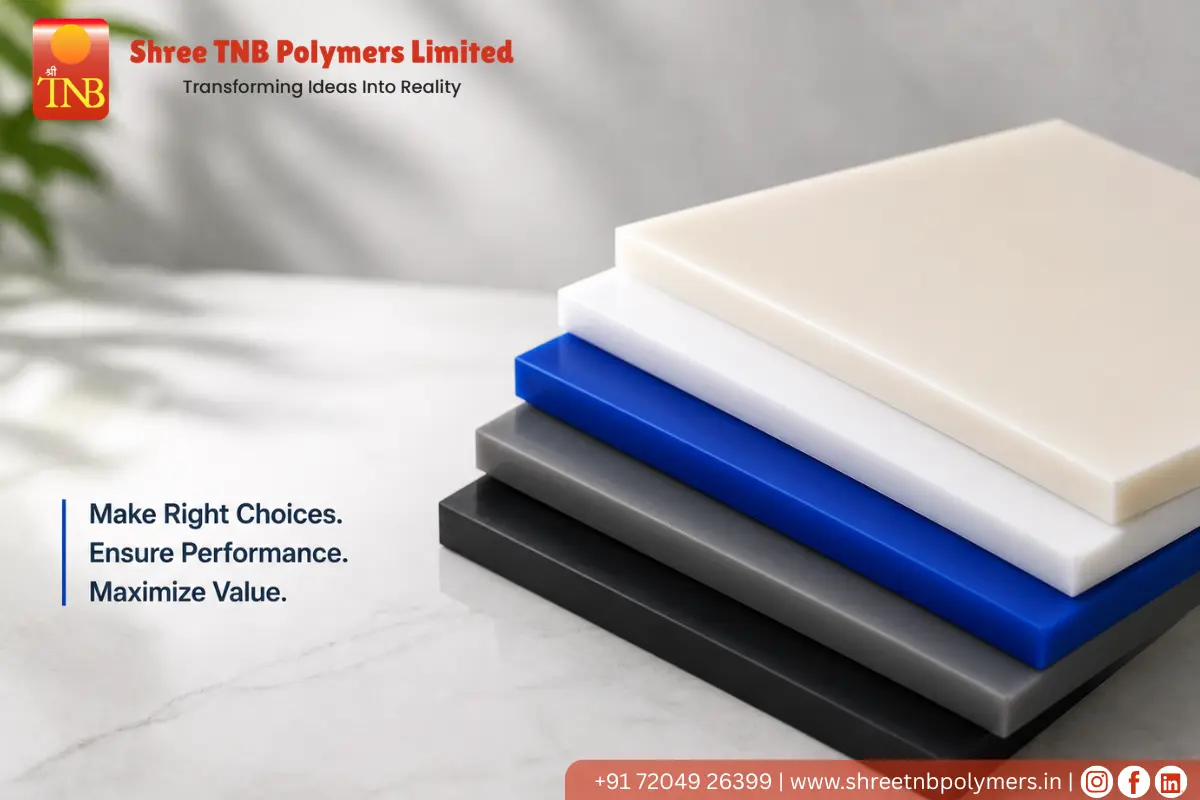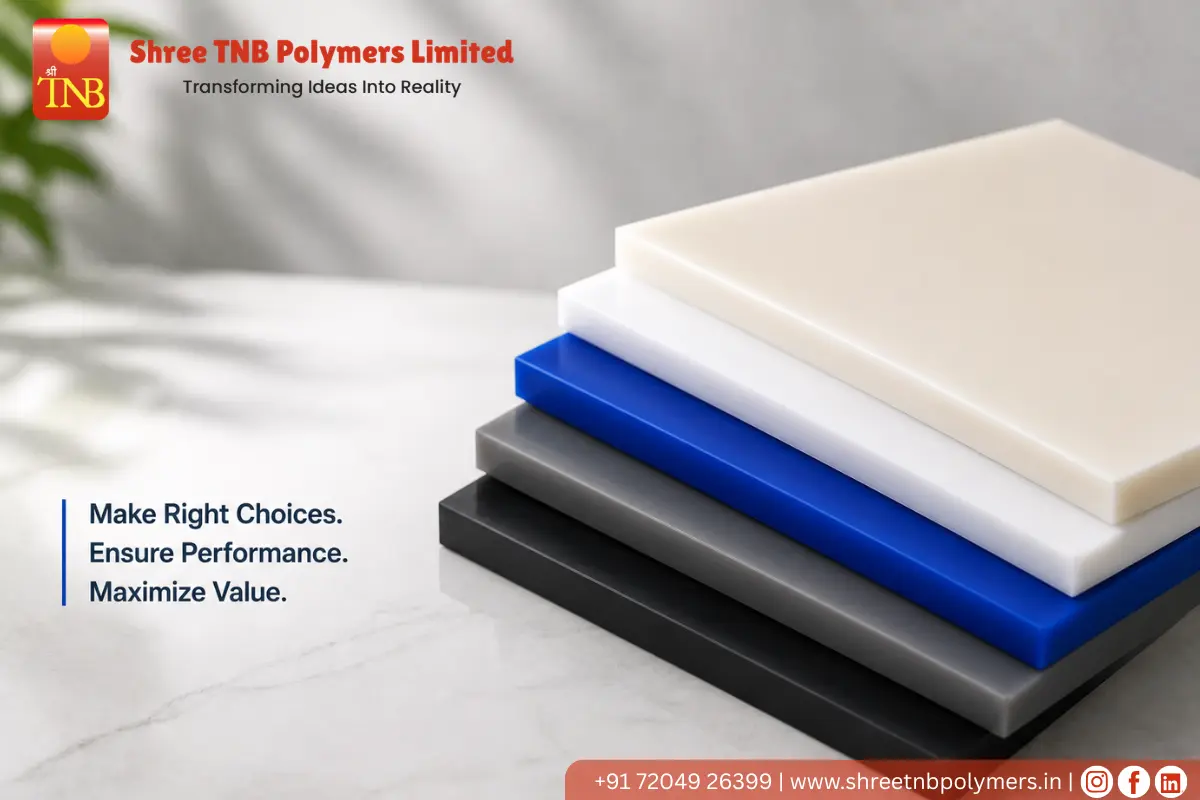
Industrial polymer products have become essential across various industries, including manufacturing, automotive, construction, electronics, packaging, and chemical processing. Their durability, chemical resistance, lightweight nature, and cost-effectiveness make them a preferred alternative to traditional materials such as metal, wood, and glass.
However, selecting the right industrial polymer products is not always straightforward. Many buyers focus solely on price or availability and overlook critical factors that can impact performance, longevity, and overall operational costs. Choosing the wrong material or supplier can result in equipment failure, increased maintenance expenses, and production delays.
In this blog, we'll explore the most common mistakes businesses make when purchasing industrial polymer products and how to avoid them.
1. Not Understanding Application Requirements
One of the biggest mistakes buyers make is selecting polymer materials without thoroughly evaluating the application's requirements.
Different industrial polymer materials possess different characteristics. Some offer excellent chemical resistance, while others provide superior mechanical strength or high-temperature performance.
Before purchasing, consider:
- Operating temperature range
- Load-bearing requirements
- Exposure to chemicals
- UV resistance requirements
- Moisture conditions
- Wear and abrasion resistance
Failing to assess these factors can lead to premature product failure and increased replacement costs.
2. Choosing Products Based Solely on Price
While budget considerations are important, selecting industrial plastic products solely because they are cheaper can prove costly in the long run.
Low-cost polymers may:
- Wear out faster
- Have lower chemical resistance
- Fail under stress
- Require frequent replacement
Instead of focusing only on upfront costs, evaluate the total cost of ownership. High-performance polymer products may have a higher initial investment but often deliver greater durability, lower maintenance costs, and longer service life.
3. Ignoring Material Specifications
Many buyers assume that all polymers are similar. In reality, engineering polymer products are designed for specific industrial applications.
Common industrial polymers include:
- HDPE (High-Density Polyethylene)
- UHMWPE
- Nylon
- Polypropylene
- PTFE
- PEEK
- PVC
- Acetal (POM)
Each material offers unique properties. Selecting the wrong polymer can negatively affect productivity and operational efficiency.
Always review technical data sheets and verify:
- Tensile strength
- Impact resistance
- Chemical compatibility
- Thermal stability
- Dimensional stability
4. Overlooking Environmental Conditions
Industrial environments can be extremely demanding.
Factors such as:
- Extreme temperatures
- Chemical exposure
- Humidity
- Outdoor weather conditions
- UV radiation
can significantly affect polymer performance.
For example, a polymer that performs well indoors may degrade quickly when exposed to direct sunlight or harsh chemicals. Industrial polymer solutions should always be selected based on actual operating conditions rather than general assumptions.
5. Not Verifying Supplier Credentials
Choosing an unreliable industrial polymer products supplier can lead to inconsistent product quality and delayed deliveries.
Before finalizing a supplier, evaluate:
- Manufacturing capabilities
- Quality certifications
- Industry experience
- Customer reviews
- Technical support availability
- Production capacity
A trusted industrial polymer products manufacturer will provide detailed specifications, testing reports, and technical assistance to ensure product suitability.
6. Ignoring Compliance and Industry Standards
Different industries have strict regulatory and quality requirements.
For example:
- Food processing applications require food-grade polymers.
- Medical applications require biocompatible materials.
- Electrical applications may require flame-retardant polymers.
Failure to verify compliance can result in regulatory penalties and product rejection.
Always ensure that the selected industrial polymer products meet relevant industry standards and certifications.
7. Not Considering Future Scalability
Many businesses purchase materials based only on current needs without considering future expansion.
As production volumes increase, material requirements may change. Working with a polymer manufacturing company that can support long-term growth helps ensure uninterrupted supply and consistent product quality.
When evaluating suppliers, ask about:
- Production scalability
- Inventory management
- Lead times
- Custom manufacturing capabilities
8. Neglecting Customization Requirements
Standard products may not always meet specialized industrial needs.
Many industrial polymer components require:
- Custom dimensions
- Specific tolerances
- Special formulations
- Machined parts
- Fabricated assemblies
Failing to discuss customization requirements early can result in compatibility issues and project delays.
A reliable industrial polymer products manufacturer should offer tailored solutions based on your operational requirements.
9. Overlooking Product Testing and Validation
Some buyers skip testing and move directly to large-scale procurement.
This can be a costly mistake.
Before placing bulk orders:
- Request product samples
- Conduct performance testing
- Verify dimensional accuracy
- Evaluate chemical resistance
- Test durability under real-world conditions
Testing helps identify potential issues before they impact production operations.
10. Failing to Seek Technical Guidance
Industrial polymers are highly specialized materials. Buyers often assume they can make purchasing decisions without expert input.
However, consulting technical experts can help:
- Identify the best material grade
- Optimize product performance
- Reduce long-term costs
- Improve operational efficiency
- Avoid material compatibility issues
Experienced suppliers offering industrial polymer solutions can provide valuable recommendations based on your application requirements.
Why Choosing the Right Industrial Polymer Partner Matters
The success of any industrial application depends not only on selecting the right material but also on partnering with a reliable supplier.
A reputable industrial polymer products supplier offers:
- High-quality materials
- Consistent product performance
- Technical expertise
- Custom manufacturing support
- On-time delivery
- Long-term reliability
By avoiding common purchasing mistakes and working with a trusted polymer manufacturing company, businesses can maximize product performance while reducing operational risks.
Conclusion
Purchasing industrial polymer products requires careful evaluation of material properties, environmental conditions, supplier capabilities, and application-specific requirements. Focusing only on price or ignoring technical specifications can lead to costly failures and reduced operational efficiency.
By understanding your requirements, verifying supplier credentials, testing materials, and selecting the appropriate industrial polymer materials, you can make informed purchasing decisions that deliver long-term value.
Whether you need industrial plastic products, engineering polymer products, or advanced high-performance polymer products, choosing the right supplier and material is essential for achieving optimal results and maintaining a competitive advantage.
Gallery