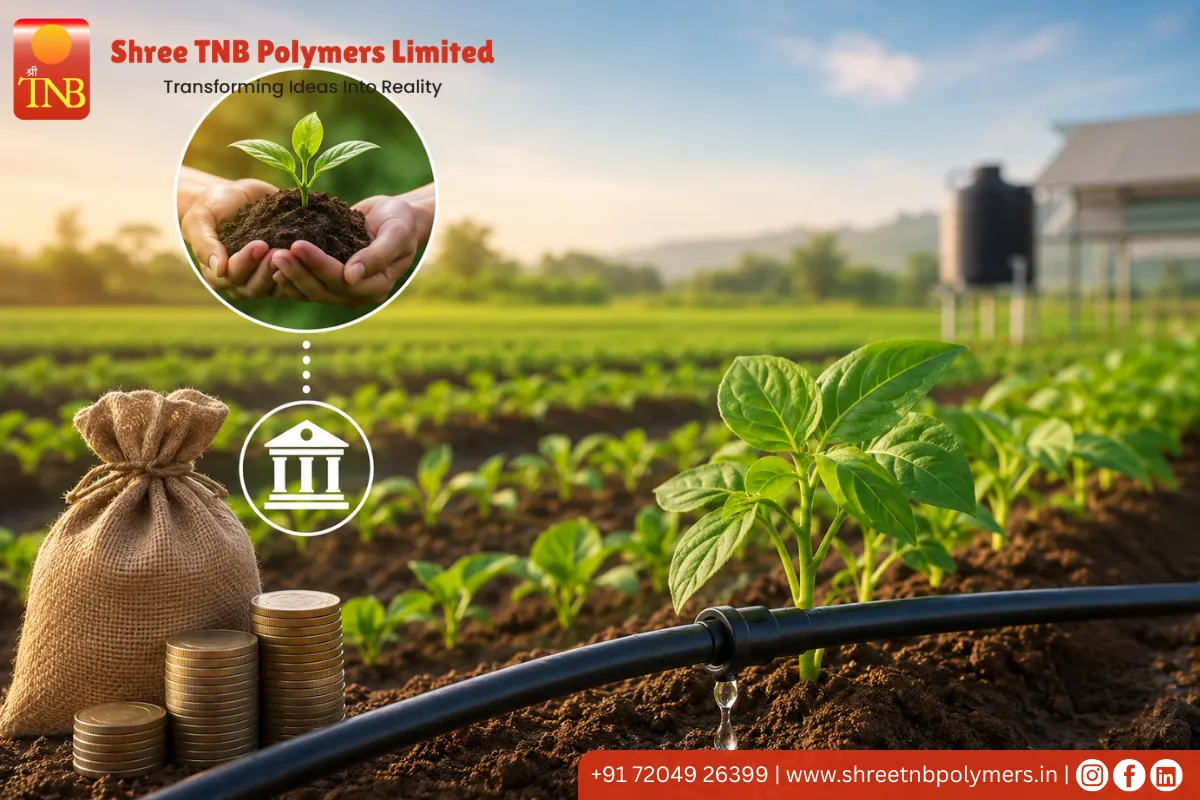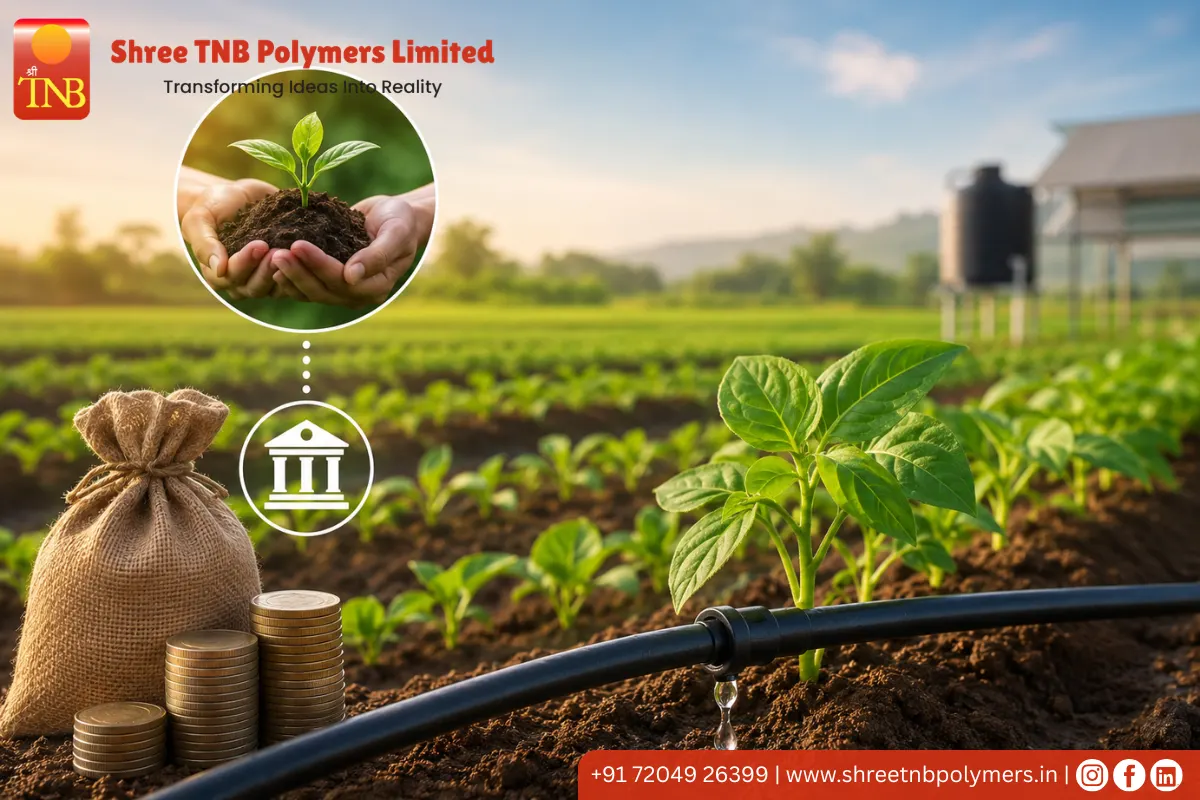
Water is one of the most valuable resources in farming, yet it's becoming increasingly scarce in many parts of India. At the same time, farmers are expected to produce higher yields while managing rising input costs. This is why more growers are switching to a Drip Irrigation System —a modern irrigation method that delivers water directly to the root zone of plants, reducing wastage and improving crop health.
The biggest challenge for many farmers, however, is the initial investment required to install the system. To encourage the adoption of smart irrigation and promote water-efficient farming, the Government of India and various state governments offer financial assistance through different subsidy programs.
Whether you're cultivating vegetables, fruits, sugarcane, cotton, or plantation crops, these schemes can significantly reduce the cost of installing a drip irrigation system. Understanding the available Government Subsidy for Drip Irrigation, eligibility requirements, and application process can help you make a more informed investment for your farm.
In this guide, we'll explain everything you need to know from the PMKSY Drip Irrigation Subsidy to the documents required for application and practical tips for selecting a trusted Drip Irrigation Company in India.
Is There a Government Subsidy for Drip Irrigation in India?
Yes. The Government of India provides financial assistance for Drip Irrigation Systems through the Pradhan Mantri Krishi Sinchayee Yojana (PMKSY) and various state-level Micro Irrigation Subsidy programs. While the subsidy amount and eligibility vary by state, these schemes are designed to encourage precision irrigation, improve agricultural water management, and make modern irrigation more affordable for farmers.
Why Is the Government Promoting Drip Irrigation?
Traditional irrigation methods often result in water loss through evaporation, runoff, and uneven distribution. In areas where water availability is limited, this can affect both crop health and farm productivity.
A Drip Irrigation System addresses these challenges by supplying water directly to the root zone in a controlled manner. This improves irrigation efficiency and supports better crop growth while using less water.
To encourage wider adoption, the government promotes drip irrigation because it helps:
- Improve Water Conservation in Agriculture
- Increase crop productivity
- Reduce water wastage
- Improve fertilizer efficiency through fertigation
- Lower labour and energy costs
- Support sustainable and climate-resilient farming
These benefits make drip irrigation an important part of India's long-term agricultural development strategy.
Understanding the PMKSY Drip Irrigation Subsidy
One of the most well-known initiatives is the Pradhan Mantri Krishi Sinchayee Yojana (PMKSY). Under its "Per Drop More Crop" component, farmers receive financial assistance to install Drip Irrigation Systems and other micro-irrigation technologies.
The primary objective of the scheme is to help farmers use water more efficiently while improving agricultural productivity.
Depending on the state and crop type, the scheme may support:
- Installation of drip irrigation systems
- Irrigation Pipes and laterals
- Filters and control valves
- Drip Irrigation Accessories
- Fertigation units
- Other approved Irrigation Equipment
Since agriculture is managed by both central and state governments, the subsidy amount, implementation process, and approved Drip Irrigation Products may differ from one state to another. Farmers should always check the latest guidelines issued by their State Agriculture or Horticulture Department before applying.
What Are the Benefits of Installing a Drip Irrigation System?
A Drip Irrigation System is more than just a way to save water—it is an investment in long-term farm productivity.
Some of the key Drip Irrigation Benefits include:
Better Water Management
Water is delivered directly where plants need it, reducing wastage and improving Agricultural Water Management.
Healthier Crops
A consistent water supply promotes uniform plant growth and can improve crop quality and yield.
Lower Farming Costs
Efficient irrigation reduces labour, electricity, and fertilizer expenses, helping farmers improve profitability over time.
Suitable for Different Crops
Drip irrigation is ideal for vegetables, fruits, vineyards, sugarcane, cotton, spices, orchards, and many other high-value crops.
Supports Sustainable Farming
By reducing water consumption and improving resource efficiency, drip irrigation contributes to environmentally responsible farming practices.
Who Is Eligible for a Drip Irrigation Subsidy?
The Drip Irrigation Subsidy Eligibility criteria may vary slightly from one state to another, but most schemes follow similar guidelines.
In general, you may be eligible if you:
- Own agricultural land or are an eligible cultivator as per state guidelines.
- Grow crops covered under the subsidy scheme.
- Apply through the designated Agriculture or Horticulture Department.
- Purchase approved Drip Irrigation Products from an authorized Drip Irrigation Company in India or registered vendor, where applicable.
- Meet the conditions specified under the Drip Irrigation Scheme or Micro Irrigation Subsidy program.
Many states also provide additional support for small and marginal farmers, making modern irrigation solutions more accessible.
Documents Required for Drip Irrigation Subsidy
Before applying, keep the necessary documents ready to avoid delays in the approval process.
Common Drip Irrigation Subsidy Documents include:
- Aadhaar Card or another valid identity proof
- Land ownership or cultivation records
- Passport-size photographs
- Bank account details
- Crop and land survey information
- Quotation or invoice from an approved supplier (if required)
- Any additional documents requested by your state agriculture department
Since documentation requirements may differ by state, it's always a good idea to verify the latest checklist before submitting your application.
How to Apply for a Drip Irrigation Subsidy
If you're wondering about the Drip Irrigation Subsidy Online Apply process, the steps are usually straightforward.
Step 1: Check Scheme Availability
Visit your state Agriculture or Horticulture Department's website to confirm whether the subsidy is currently available.
Step 2: Verify Your Eligibility
Review the eligibility criteria based on your landholding, crop type, and farmer category.
Step 3: Submit Your Application
Complete the online or offline application form with accurate personal, land, and crop details.
Step 4: Upload Required Documents
Attach all the required documents for verification.
Step 5: Site Inspection
In many cases, officials may inspect your farmland before approving the subsidy.
Step 6: Install the System
Once approved, install the Drip Irrigation System according to the scheme guidelines using approved products or suppliers where applicable.
How to Choose the Right Drip Irrigation Company in India
Government support can reduce the initial investment, but the performance of your irrigation system depends on the quality of the products you install.
When comparing a Drip Irrigation Company in India, consider the following:
- Product quality and manufacturing standards
- Complete range of Drip Irrigation Products
- Availability of Drip Irrigation Accessories
- Technical support and installation guidance
- Warranty and after-sales service
- Experience in agricultural irrigation projects
- Availability of replacement parts
Choosing an experienced Drip Irrigation Equipment Supplier ensures your investment delivers reliable performance for years.
Why Quality Irrigation Equipment Matters
A drip irrigation system is made up of several components that work together. Even if one part is of poor quality, the overall performance can be affected.
Reliable Irrigation Equipment generally includes:
- High-quality Irrigation Pipes
- Durable emitters and drippers
- Efficient filters
- Pressure control valves
- Fertigation units
- Connectors and Drip Irrigation Accessories
Working with a trusted Irrigation Equipment Manufacturer helps ensure better durability, efficient water distribution, and lower maintenance costs.
Common Mistakes Farmers Should Avoid
Many farmers focus only on the subsidy amount and overlook factors that affect long-term performance.
Avoid these common mistakes:
- Choosing the cheapest products instead of quality-tested equipment.
- Ignoring water quality and filtration requirements.
- Installing a system that isn't suitable for the crop or field size.
- Buying from unauthorized suppliers without checking approvals.
- Not planning future farm expansion.
- Delaying maintenance after installation.
A well-planned system delivers better efficiency, fewer repairs, and a longer service life.
Conclusion
Government subsidy schemes have made Drip Irrigation Systems more affordable for farmers across India. Whether you're growing vegetables, fruits, plantation crops, or commercial crops, adopting Smart Irrigation can improve water efficiency, reduce operating costs, and support sustainable farming.
Before applying, understand your state's subsidy guidelines, keep the required documents ready, and choose quality Farm Irrigation Solutions from a trusted manufacturer or supplier. A well-designed system is a long-term investment that can improve both productivity and profitability.
Gallery