Infrastructure projects demand durable, reliable, and cost-effective piping systems. Whether it is a municipal water supply network, irrigation project, industrial pipeline, sewage system, or utility installation, selecting the right HDPE Pipe Manufacturer can significantly impact project performance, lifespan, and maintenance costs.
High-Density Polyethylene (HDPE) pipes have become the preferred choice for modern infrastructure because of their strength, flexibility, corrosion resistance, and long service life. However, not all HDPE Pipe Manufacturers offer the same quality standards, production capabilities, or technical support.
This guide explains how to evaluate and choose the best HDPE pipe manufacturer for infrastructure projects while ensuring compliance, quality, and long-term value.
What is an HDPE Pipe Manufacturer?
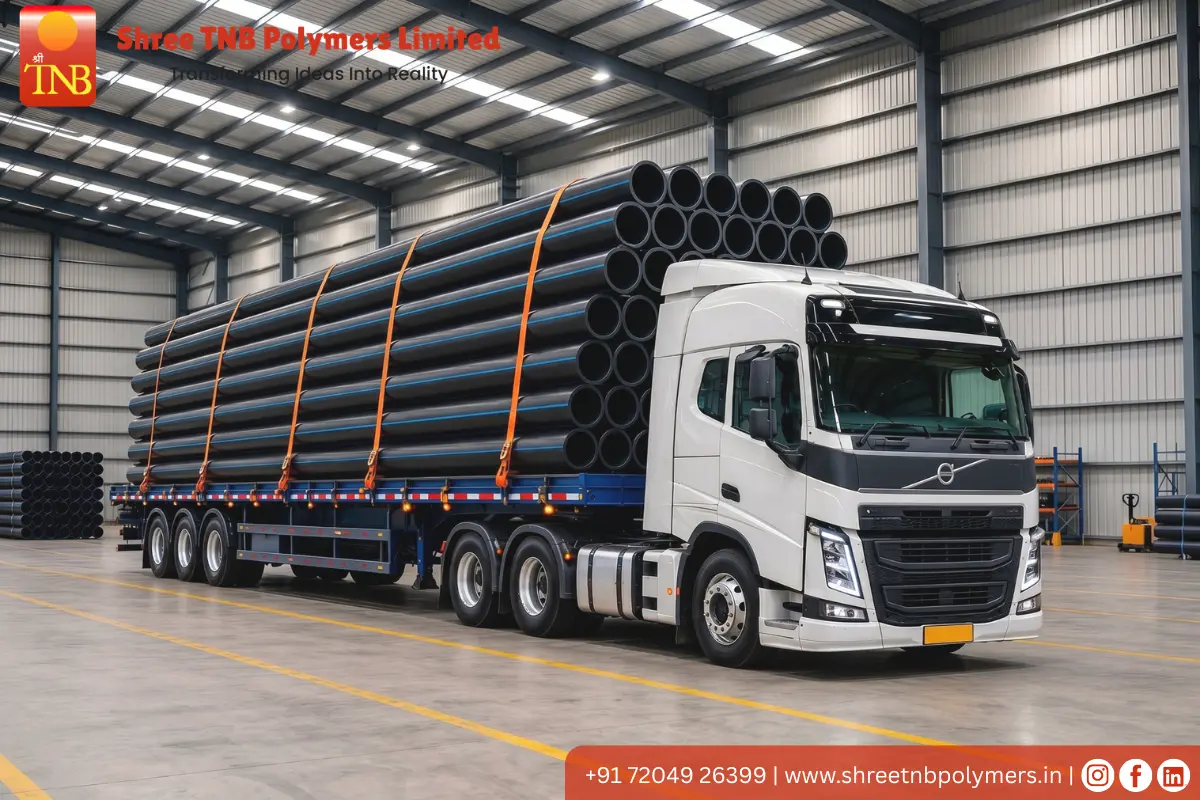
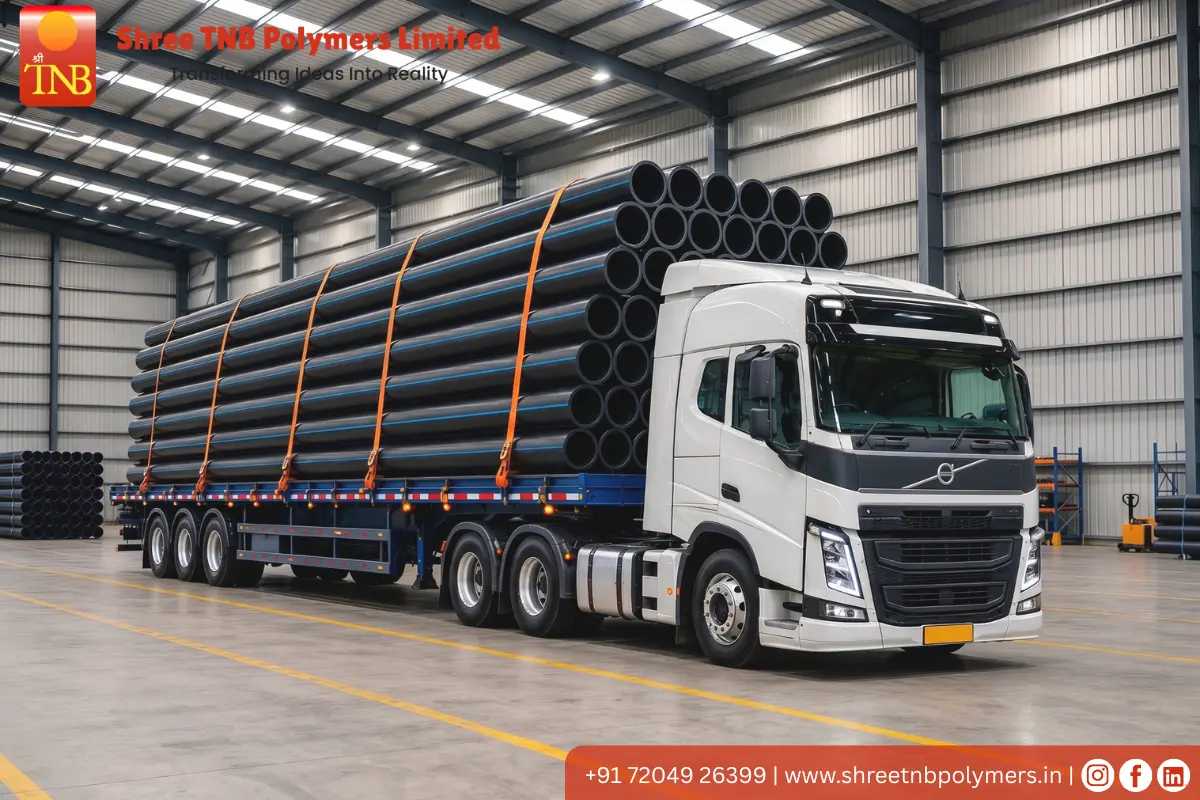
An HDPE Pipe Manufacturer is a company that produces High-Density Polyethylene pipes used in water supply, sewage systems, industrial fluid transportation, irrigation networks, gas distribution, mining operations, and infrastructure development projects.
These manufacturers convert PE100 or PE80 raw materials into pipes of various diameters, pressure ratings, and specifications using advanced extrusion technologies and quality control systems.
Reliable HDPE Pipe Manufacturers ensure:
- Consistent product quality
- Compliance with industry standards
- Long service life
- Strong technical support
- On-time delivery capabilities
Why Choosing the Right HDPE Pipe Manufacturer Matters
The quality of HDPE pipes directly affects infrastructure performance.
Choosing the wrong supplier can lead to:
- Premature pipe failures
- Leakage issues
- Increased maintenance costs
- Project delays
- Regulatory non-compliance
- Reduced service life
A reliable HDPE Pipe Manufacturing Company helps ensure smooth project execution and long-term operational efficiency.
Key Factors to Consider When Choosing an HDPE Pipe Manufacturer
1. Verify Industry Certifications and Standards
One of the first indicators of a trustworthy High Density Polyethylene Pipe Manufacturer is compliance with recognized standards.
Look for:
Manufacturers adhering to these standards are more likely to deliver consistent and reliable products.
2. Assess Raw Material Quality
The performance of HDPE pipes largely depends on the quality of raw materials used.
A reliable Infrastructure-Grade HDPE Pipe Supplier should use:
- Virgin PE100 raw material
- Reputed polymer brands
- UV-stabilized compounds where required
- Certified and traceable resin sources
Avoid manufacturers that heavily rely on recycled materials for critical infrastructure applications.
3. Evaluate Manufacturing Infrastructure
Modern manufacturing facilities indicate a commitment to quality and scalability.
Ask about:
- Production capacity
- Extrusion technology
- Automation systems
- Testing laboratories
- Quality control processes
An Industrial HDPE Pipe Manufacturer with advanced manufacturing infrastructure can maintain consistency across large-volume orders.
4. Check Product Range Availability
Infrastructure projects often require multiple pipe specifications.
Choose an HDPE Pipe Supplier that offers:
- Multiple diameter ranges
- Various pressure classes
- PE80 and PE100 pipes
- Custom lengths
- Electrofusion fittings
- Butt fusion-compatible systems
Working with a single supplier simplifies procurement and project management.
5. Understand Testing and Quality Assurance Processes
Quality testing is critical for infrastructure-grade piping systems.
A reputable HDPE Pipe Manufacturing Company should conduct:
Mechanical Testing
- Tensile strength testing
- Impact resistance testing
- Hydrostatic pressure testing
Dimensional Testing
- Wall thickness verification
- Diameter accuracy checks
- Ovality measurement
Material Testing
- Melt flow index testing
- Density testing
- Oxidation induction testing
Comprehensive testing ensures long-term reliability.
How Does HDPE Pipe Manufacturing Affect Infrastructure Performance?
Manufacturing quality directly influences:
Joint Strength
Properly manufactured HDPE pipes create leak-proof fusion joints.
Pressure Resistance
Consistent wall thickness helps pipes withstand operating pressure.
Service Life
High-quality PE100 HDPE Pipes can last over 50 years under normal operating conditions.
Environmental Resistance
Premium HDPE pipes resist:
- Corrosion
- Chemical exposure
- Soil movement
- Abrasion
This makes them ideal for infrastructure projects.
What Applications Require High-Quality HDPE Pipes?
Water Supply Projects
HDPE Pipe for Water Supply Projects is widely used because it:
- Prevents contamination
- Resists corrosion
- Minimizes leakage
Irrigation Systems
Farmers and irrigation authorities prefer HDPE because of:
- Easy installation
- Long service life
- Low maintenance requirements
Sewerage and Drainage
HDPE pipes effectively handle:
- Wastewater transport
- Stormwater drainage
- Underground sewage systems
Industrial Applications
Industries use HDPE pipes for:
- Chemical transfer
- Process water systems
- Effluent management
Infrastructure Development
Common infrastructure uses include:
- Smart city projects
- Utility networks
- Municipal water distribution
- Road and highway projects
Questions to Ask an HDPE Pipe Manufacturer Before Purchasing
Before finalizing a supplier, ask:
- What certifications do you hold?
- Do you manufacture PE100 HDPE Pipes?
- What quality testing procedures are followed?
- Can you provide project references?
- What is your monthly production capacity?
- Do you offer technical installation support?
- What warranty coverage is available?
- What delivery timelines can you guarantee?
The answers help evaluate supplier reliability.
Common Mistakes to Avoid When Selecting an HDPE Pipe Supplier
Choosing Based Only on Price
Low-cost products may compromise quality and lifespan.
Ignoring Certifications
Always verify compliance documentation.
Not Reviewing Manufacturing Capacity
Large infrastructure projects require reliable production capabilities.
Overlooking Technical Support
Supplier expertise often helps avoid installation and operational issues.
Failing to Check References
Review previous projects and client feedback whenever possible.
Why Shree TNB is a Trusted HDPE Pipe Manufacturing Company
When selecting an HDPE Pipe Manufacturer, experience, manufacturing capabilities, quality control, and customer support are critical factors.
Shree TNB focuses on:
- Infrastructure-grade HDPE pipe solutions
- Quality-driven manufacturing processes
- Compliance with industry standards
- Reliable project support
- Consistent product performance
These capabilities help contractors, infrastructure developers, government agencies, and industrial customers meet demanding project requirements efficiently.
Conclusion
Choosing the right HDPE Pipe Manufacturer is a strategic decision that affects the safety, reliability, and longevity of infrastructure projects. Evaluating certifications, raw material quality, manufacturing capabilities, testing procedures, product range, and technical support can help ensure successful project outcomes.
Rather than focusing solely on pricing, project owners and contractors should prioritize long-term performance, compliance, and supplier reliability. A trusted HDPE Pipe Manufacturing Company can become a valuable partner in delivering efficient and durable infrastructure systems.
Contact Shree TNB
Looking for a reliable HDPE Pipe Supplier for your next infrastructure project?
Contact Shree TNB to discuss your requirements and explore high-quality HDPE pipe solutions designed for long-term performance.
Gallery