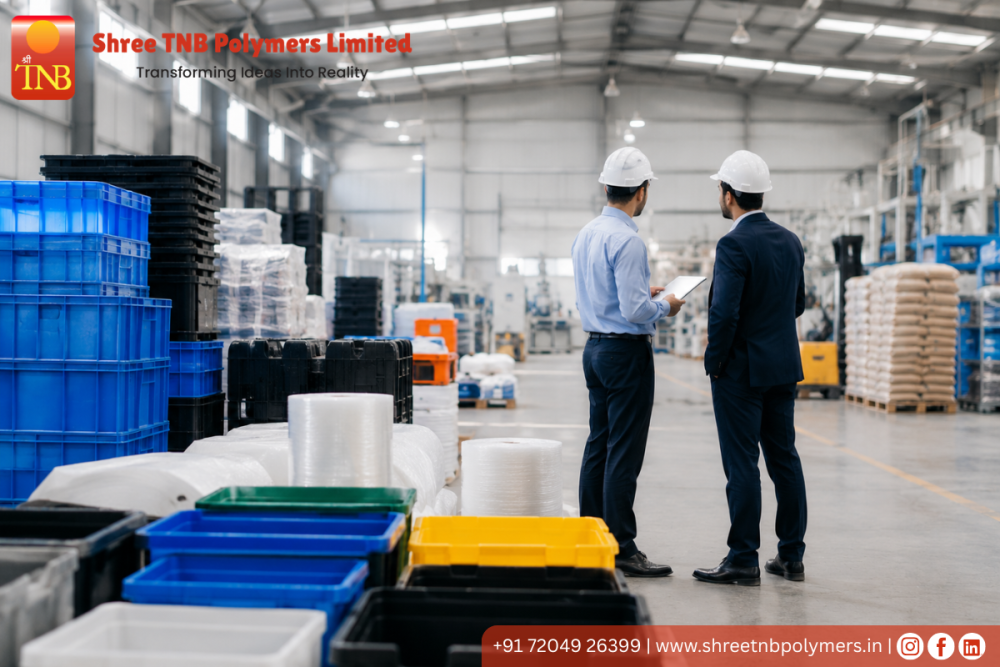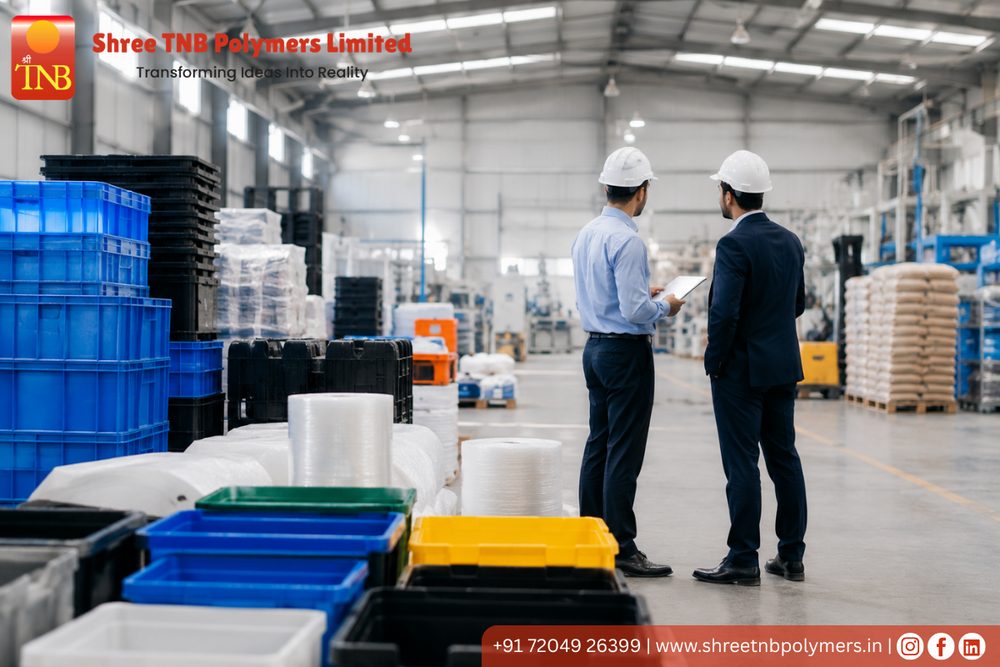
Industrial plastic products are used across manufacturing, infrastructure, agriculture, chemical processing, water management, packaging, and many other industries. Because these products often operate in demanding environments, choosing the right supplier is an important purchasing decision.
A plastic product may be exposed to chemicals, moisture, heat, UV radiation, impact, pressure, or continuous mechanical stress. If the selected material or product does not suit the application, it can lead to premature failure, maintenance requirements, replacement costs, and production delays.
For this reason, industrial buyers should look beyond the initial purchase price. A reliable Plastic Product Supplier should provide suitable materials, consistent product quality, dependable supply, accurate specifications, and appropriate technical support.
Why Choosing the Right Plastic Product Supplier Matters
The performance of an industrial plastic product depends on several factors, including the material, manufacturing process, product design, and operating environment. A product that performs well in one application may not provide the same performance in another.
For example, a plastic component used in a chemical-processing environment may require strong chemical resistance, while an outdoor application may require better UV and weather resistance. Selecting the right product therefore starts with understanding the conditions in which it will be used.
A dependable supplier can help businesses maintain consistent quality and reduce procurement risks. However, buyers should still evaluate the supplier independently and compare technical information before making a final decision.
Understand Your Plastic Product Requirements
Before approaching a Plastic Product Manufacturer, industrial buyers should clearly define what they need. Having detailed requirements makes it easier to compare suppliers and reduces the risk of selecting a product simply because it is inexpensive or readily available.
Start by identifying the product's intended application. Consider its dimensions, expected service life, operating temperature, mechanical loads, chemical exposure, moisture conditions, and other environmental factors.
Key Requirements to Consider
Depending on the application, buyers may need to define:
- Product type and dimensions
- Required plastic material
- Quantity and order frequency
- Operating temperature
- Chemical exposure
- Mechanical or impact loads
- Environmental conditions
- Expected service life
- Applicable standards
For example, a plastic component exposed to aggressive chemicals may require a different material from a component used in a general indoor application.
Evaluate the Plastic Material
Material selection is one of the most important considerations when purchasing industrial plastic products. Different polymers have different physical, mechanical, and chemical properties, so the material should always be selected according to the application.
Buyers should not assume that one plastic material can perform equally well in every environment. Factors such as temperature, chemical exposure, impact, friction, moisture, and sunlight can influence product performance.
Important Material Properties
Depending on the application, evaluate properties such as:
- Chemical resistance
- Impact resistance
- Temperature resistance
- Wear resistance
- UV resistance
- Moisture resistance
- Dimensional stability
A knowledgeable Plastic Supplier should be able to provide technical information about the material used in its products. Buyers should review this information against their own application requirements rather than relying only on general claims such as "high strength" or "chemical resistant."
Check Product Quality and Consistency
Product quality is not only about how a product looks when it arrives. For industrial applications, consistency between batches can be equally important.
A product may need to maintain specific dimensions, tolerances, material characteristics, and performance levels throughout its service life. Significant variations between batches can create problems during assembly, installation, or operation.
Before selecting a supplier, ask about its quality-control procedures and how products are inspected.
What Should Buyers Check?
Useful information may include:
- Product specifications
- Dimensional tolerances
- Material consistency
- Inspection procedures
- Testing methods
- Quality-control processes
- Technical documentation
For larger or recurring orders, requesting samples before placing a bulk order can also be useful. This gives buyers an opportunity to evaluate the product against their actual requirements.
Assess Manufacturing Capability
A supplier's manufacturing capability can provide important insight into whether it can support your requirements over the long term.
Industrial buyers should consider production capacity, manufacturing processes, equipment, quality-control systems, and the supplier's ability to handle increasing order volumes.
A supplier may be capable of fulfilling a small order but struggle when demand increases. This can become a significant issue for businesses that depend on regular supplies.
Consider Future Demand
If your production requirements are expected to increase, ask the supplier whether it can support larger volumes in the future.
A supplier with suitable production capacity and scalable processes can make procurement easier as your business grows. This is particularly relevant when sourcing Industrial Plastic Products on a recurring basis.
Evaluate Supply Reliability and Lead Times
Product quality is important, but reliable availability is equally valuable for industrial businesses. Delayed deliveries can affect production schedules, project deadlines, inventory levels, and customer commitments.
Before choosing a Plastic Products Supplier, discuss expected lead times and supply arrangements clearly.
Ask whether products are normally kept in stock or manufactured against orders. Also understand minimum order quantities, bulk-order capacity, and recurring supply capabilities.
A supplier that consistently meets agreed delivery schedules may provide greater long-term value than one that offers a slightly lower price but cannot maintain reliable availability.
Look for Technical Support
Technical support is particularly useful when purchasing specialized plastic products or components.
Industrial buyers may need help understanding whether a particular material is appropriate for a specific environment. A knowledgeable supplier should be able to explain product characteristics, application suitability, and known limitations.
Technical support may cover material selection, product compatibility, operating conditions, installation considerations, and maintenance requirements.
However, supplier advice should complement rather than replace the buyer's own engineering evaluation. For critical applications, the final material and product selection should be verified against the project's technical requirements.
Compare Total Cost, Not Just Purchase Price
Price is an important factor in procurement, but it should not be the only factor.
A cheaper product may have a shorter service life, require more frequent replacement, or create additional maintenance costs. When this happens, the initial saving may disappear over time.
This is why industrial buyers should consider the total cost of ownership.
Costs Worth Considering
Look beyond the initial purchase price and evaluate:
- Product lifespan
- Installation costs
- Maintenance requirements
- Replacement frequency
- Transportation
- Potential production downtime
- Long-term performance
For example, a product with a higher purchase price may provide better overall value if it lasts longer and requires less maintenance.
Check Customization Capabilities
Standard plastic products are suitable for many applications, but some industrial projects require customized solutions.
Depending on the supplier's capabilities, customization may involve specific dimensions, material grades, designs, or application-specific components.
Discuss Custom Requirements Early
If customization is required, clarify the following before placing an order:
- Technical feasibility
- Minimum order quantity
- Production time
- Tooling requirements
- Testing requirements
- Additional costs
Discussing these details early can prevent compatibility issues and unexpected delays later in the project.
Verify Documentation and Applicable Standards
Technical documentation helps industrial buyers understand exactly what they are purchasing.
Depending on the product and application, useful documents may include technical datasheets, material specifications, test reports, quality documents, and applicable certifications or standards.
Buyers should verify that any claimed certification or standard actually applies to the specific product being purchased.
Clear documentation also makes it easier for procurement and engineering teams to compare different products using objective information instead of relying solely on sales claims.
Watch for Supplier Red Flags
Supplier evaluation should also include how the company communicates and handles technical questions.
Be cautious if a supplier cannot provide clear product specifications, gives inconsistent technical information, makes unrealistic performance claims, or avoids questions about quality-control procedures.
Other warning signs can include unclear delivery commitments, poor communication, and an excessive focus on price without discussing application suitability.
These issues do not automatically mean that a supplier is unreliable, but they are reasons to conduct additional verification before placing a large or recurring order.
Questions to Ask Before Choosing a Plastic Product Supplier
Before finalizing a supplier, industrial procurement teams can ask:
- What material is used for the product?
- What applications is the product designed for?
- What are the product specifications and tolerances?
- How is product quality checked?
- What technical documentation is available?
- What is the standard lead time?
- Can you handle bulk or recurring orders?
- Is customization available?
- What technical support do you provide?
- How do you maintain consistency between production batches?
The answers can help buyers compare suppliers based on technical capability as well as commercial terms.
How to Choose the Right Plastic Product Supplier
Choosing the right Plastic Product Supplier is easier when the process is treated as a structured evaluation rather than a simple price comparison.
Start by defining the application and technical requirements. Next, shortlist suppliers that have relevant products and manufacturing capabilities. Compare their materials, specifications, quality-control procedures, production capacity, lead times, and technical support.
For larger purchases, buyers can consider requesting product samples or technical documentation before committing to a bulk order.
It is also important to think about future requirements. A supplier that can maintain consistent quality, support increasing demand, communicate clearly, and meet delivery commitments can become a more reliable long-term procurement partner.
Conclusion
Selecting a plastic supplier is an important decision for industrial businesses because the quality and reliability of the products can directly influence operational performance.
Industrial buyers should therefore evaluate more than price. Material suitability, product quality, manufacturing capability, supply reliability, technical support, documentation, customization, and total cost of ownership should all be considered before making a final decision.
The best supplier is not necessarily the one offering the lowest quotation. It is the supplier that can consistently provide the right product, suitable material, required specifications, dependable quality, and reliable supply for the intended application.
A careful supplier-selection process can help businesses reduce procurement risks, avoid unnecessary replacement costs, and establish a stronger long-term supply relationship.
Gallery